 HYGO News
 Q: 'Did Israel force your hand to launch strikes against Iran?' Trump: No, I might've forced Israel
Q: “Did Israel force your hand to launch strikes against Iran?” Trump: No, I might’ve forced Israel
Trump addressed questions about Israeli influence on U.S. Iran strikes, explaining he may have “forced Israel’s hand” rather than the reverse. Trump believed Iran was about to attack first, requiring preemptive action. Israeli and American coordination was extensive — “on the same page in terms of getting this terrible regime in Tehran away.” German Chancellor Friedrich Merz reportedly aligned with this framework. Trump explained unprecedented regional unity against Iran — Saudi Arabia, Qatar shooting down Iranian aircraft, European countries stepping up — reflects Iran’s global evil. Iran has attacked its neighbors including Qatar, UAE, Saudi Arabia, Oman (who had been helping negotiate). Iran killed 35,000+ people “using machine guns” and “snipered from buildings” — including their own civilians hit through eyes. Trump witnessed Los Angeles crowds with “thousands” of Iranian-American supporters celebrating U.S. action — initially thought protesters, then realized pro-Trump. Woman hugging his picture clarified identity. Similar rallies in New York. “People are happy what we did.” Trump: “If we didn’t do it, they were going to attack first. I felt strongly about that … So if anything, I might have forced Israel’s hand.” On unity: “They’re just evil. It’s not the politics. It’s their whole philosophy. It’s their whole where they come from. It’s terrible.” On Iranian-Americans: “These are Iranian people that live in the United States. So many. Thousands … people are happy what we did."
"Force Your Hand” Question
The reporter opened direct. “Mr. President, did Israel force your hand to launch the strikes against Iran? Did that young, old United States, into this war?”
Whisper garbled the second question — asking whether Israel dragged U.S. into war.
The framework implicit:
- Israel wants Iran neutralized
- U.S. acts at Israeli direction
- Trump pulled into Israel’s war
“No, I might have forced their hand.”
Trump inverted the framework. He may have forced Israel, not the reverse.
Negotiations
“You see, we were having negotiations with these lunatics, and it was my opinion that they were going to attack first. They were going to attack. If we didn’t do it, they were going to attack first. I felt strongly about that.”
Trump’s framework:
- Ongoing Iran negotiations
- Iran negotiating badly
- Trump concluded Iran would attack first
- Preemption necessary
“And we have great negotiators, great people, people that do this very successfully and have done it all their lives very successful.”
Trump’s negotiating team:
- Rubio (SecState)
- Witkoff (special envoy)
- Other experienced diplomats
“And based on the way the negotiation was going, I think they were going to attack first.”
Intelligence framework: negotiation behavior suggested imminent Iranian military action.
“And I didn’t want that to happen. So if anything, I might have forced Israel’s hand.”
Trump accelerated to preempt Iranian attack. Israel followed U.S. lead.
”Powerful Impact”
“But Israel was ready, and we were ready, and we’ve had a very, very powerful impact.”
Joint U.S.-Israel action:
- Coordinated strikes
- Preemptive timing
- Major impact on Iran
“We are on the same page in terms of getting this terrible regime in Tehran away.”
Shared objective: regime change in Tehran. Both U.S. and Israel want Ayatollah regime ended.
“And we will talk about the day after what will happen then if they are out.”
Regime-change planning: “day after” discussions. What replaces Islamic Republic?
Options include:
- Shah restoration (Pahlavi family)
- Secular democracy
- Transition government
- Iranian-led transition
Global Unity Question
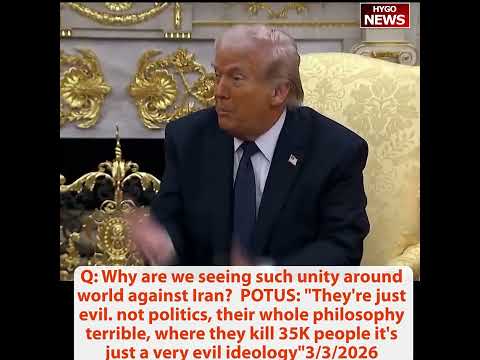
“Mr. President, we’ve seen countries around the world, many of whom don’t usually work together, working with the United States on Iran, whether it’s Saudi Arabia, working with the United States, Israel, Qatari shooting down Iranian aircraft. And we’ve also seen European countries step up. Why are we seeing such unity around the world against Iran?”
The reporter listed coalition members:
- Saudi Arabia (Sunni monarchy)
- Israel (Jewish state)
- Qatar (shooting Iranian aircraft)
- European countries
These countries normally:
- Saudi-Israel: no diplomatic relations
- Qatar-Israel: tension
- Iran arms Qatar-Saudi adversaries
- European divisions
All aligning against Iran is remarkable.
”They’re Just Evil”
“That’s a great point. Look, they’re just evil. They’re not the politics. It’s their whole philosophy. It’s their whole where they come from. It’s terrible.”
Trump’s framework: Iran’s evil is philosophical, not political:
- Not specific policy disagreements
- Not territorial disputes
- Not economic interests
- Fundamentally evil ideology
Iran Civil Casualties
“Where they killed 35,000, I thought it was 32. Now it turns out it’s much more than 35,000 people.”
Trump referencing Iran’s civilian victims. The 35,000+ figure likely refers to Iranian regime’s killing of:
- Protesters (Mahsa Amini protests, 2022-2024)
- Political dissidents
- Religious minorities
- Ethnic minorities (Baluchis, Kurds)
“And in some cases, using machine guns was people that have no weapon. They have no weapon. And they’re being machine gunned.”
Iranian regime tactics:
- Machine guns against unarmed civilians
- Mass violence against protesters
- No military justification
“They’re being snipered from buildings. They’re hitting the people with snipers right through the eyes.”
The specific tactic: snipers targeting protesters’ eyes. Documented Iranian security force tactic during protests. Designed to:
- Maim protesters
- Create lifelong disability
- Terrorize other potential protesters
- Not kill (avoid martyrdom narrative)
Thousands of Iranians have lost eyes to regime snipers.
”Evil Ideology”
“It’s just a very evil ideology. And nobody’s really seen anything like it.”
Trump’s framework: Iranian regime evil exceeds normal authoritarianism.
“As I said, even the fact that they’ve attacked all of their neighbors. And the neighbors weren’t attacking.”
Iranian attacks on neighbors:
- Not defensive
- Offensive operations
- Against non-aggressive neighbors
- Via proxy forces or direct attack
“They thought they’d maybe send it out or what.”
Neighbors tried diplomacy. Iran responded with attacks.
Neighbor Victims
“They’ve hit Qatar. They’ve hit UAE. They’ve hit Saudi Arabia. They’ve hit Oman.”
Iranian attack record:
- Qatar (various incidents)
- UAE (oil facility attacks)
- Saudi Arabia (Aramco attacks, missile strikes)
- Oman (general attacks)
“They were helping us negotiate.”
The critical betrayal: Iran attacking countries facilitating diplomacy.
“Everybody got hit because they’re evil and they’re bad.”
Universal Iranian aggression against neighbors regardless of their role.
”47 Years”
“It’s a bad seed and somebody had to do it. And it should have been done sometime during a 47-year period because so much death has been caused by them. So much unbelievable death.”
Trump’s framework:
- Action overdue
- 47 years of Iranian aggression
- Massive death toll
- Previous administrations failed to act decisively
“From Germany too. I mean, Germany’s been hit. Everybody’s been hit by them.”
Iranian actions have impacted Germany too (terror attacks, assassinations, etc.). The global scope is extensive.
”Evil Ideology”
“It’s an evil ideology. And I’ve never been. Look, I’ve done a lot of good things. So many people say thank you, thank you, thank you.”
Trump’s observation: public gratitude for Iran action.
Iranian-Americans Rally
“You see it in the streets of Los Angeles. They have thousands of people. I saw it the other day, pictures of Donald Trump.”
Los Angeles has substantial Iranian diaspora community — largest outside Iran. Estimated 300,000+ Iranian-Americans in greater LA.
“And I’m looking. I’m on the phone probably talking to you. And I’m looking. And I see my picture. I say, oh no, it’s another protest.”
Trump initially assumed anti-Trump protest seeing his picture.
“I see my picture. And then I started saying, boy, they were very friendly people.”
Closer look revealed positive demeanor.
“And then I saw a woman hugging the picture of me. I say, what’s going on?”
Woman embracing Trump’s photo — clearly pro-Trump, not protest.
“And it turned out to be these are Iranian people that live in the United States. So many. Thousands.”
The realization: Iranian-American community supporting U.S. action against Iranian regime.
Why Iranian-Americans Support
The Iranian-American community’s support reflects:
- Many fled 1979 Revolution
- Secular, pro-Western values
- Family still persecuted in Iran
- Desire for regime change
- Trump’s action aligns with their hopes
Most Iranian-Americans:
- Educated professionals
- Successful in U.S. business/academia
- Pro-U.S. in values
- Anti-Islamic Republic in politics
New York Rally
“You saw the rallies. And in New York too, they had a big rally by pictures all over the place.”
Similar Iranian-American rallies in New York. Trump’s action popular with this diaspora community.
“The fact is that people are happy what we did.”
Trump’s framework: positive public reception, especially from affected communities.
Significance
The interview captures:
-
Negotiation framework: Iran was going to attack, U.S. preempted
-
Israel coordination: Trump forced Israel’s hand, not vice versa
-
Regime change objective: “Get this terrible regime away”
-
Global unity: Saudi, Israel, Qatar, UAE, Europe all aligned against Iran
-
Iranian regime evil: 35,000+ civilians killed, snipers targeting eyes
-
Iranian-American support: LA and NYC rallies supporting U.S. action
The Iranian-American support is politically significant. Democrats cannot easily attack Trump’s Iran policy when the Iranian diaspora strongly supports it. “Anti-war” framework fails when actual Iranians celebrate action.
The Saudi-Qatar-UAE alignment against Iran reflects:
- Shared Sunni opposition to Shia Iran
- Economic interests in stability
- Security concerns from Iranian missiles/proxies
- U.S. diplomatic effectiveness
The regime change discussion is striking. U.S. officially discussing “day after” — suggesting active planning for Iranian regime fall. Whether through internal collapse, protests, or external pressure, Trump administration viewing outcome as imminent.
Key Takeaways
- Trump on Israel force framework: “No, I might have forced their hand. You see, we were having negotiations with these lunatics, and it was my opinion that they were going to attack first … If we didn’t do it, they were going to attack first … So if anything, I might have forced Israel’s hand.”
- Trump on shared objectives: “We are on the same page in terms of getting this terrible regime in Tehran away. And we will talk about the day after what will happen then if they are out.”
- Trump on Iran’s evil: “They’re just evil. They’re not the politics. It’s their whole philosophy. It’s their whole where they come from. It’s terrible. Where they killed 35,000 … using machine guns was people that have no weapon.”
- Trump on Iranian sniper tactics: “They’re being snipered from buildings. They’re hitting the people with snipers right through the eyes.”
- Trump on Iranian-American support: “These are Iranian people that live in the United States. So many. Thousands. You saw the rallies. And in New York too, they had a big rally by pictures all over the place. The fact is that people are happy what we did.”